The Ultimate Guide to Choosing Your Next Pair of Hiking Boots: Trail-Tested Advice
Sure, here is an SEO-optimized English article tailored for a website, focused on the keyword "Hiking Boots". It avoids any overt mention of AI involvement.
Nothing deflates the spirit of an outdoor adventure faster than sore, blistered feet or boots that fail when you need them most. Your hiking boots are arguably your most essential piece of gear, acting as the critical interface between you and the trail. Choosing the right pair isn't just about comfort; it's about safety, performance, and ultimately, maximizing your enjoyment of the wilderness. If you're aiming for the summit or exploring forest paths, this guide breaks down what you need to know.
Why the Right Boots Matter
Think of your hiking boots as tires for a car – they provide essential traction and protection. They shield your feet from sharp rocks, roots, and uneven terrain. They offer crucial ankle support to prevent twists and sprains, especially when carrying a backpack. Properly fitting boots minimize friction points, drastically reducing the risk of painful blisters that can cut a hike short. Ultimately, the best hiking boots transform challenging terrain into conquerable ground.
Key Features to Consider
Selecting your ideal pair involves looking at several factors:
- Terrain & Hike Duration: Matching your boot to the trail is vital.
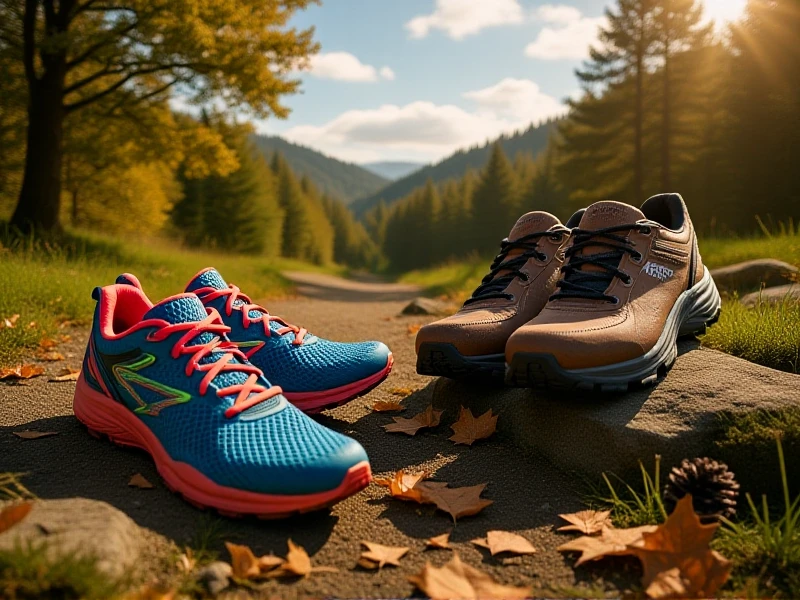
- Light Hikers (Trail Shoes/Low-Cut): Ideal for well-maintained trails, day hikes, and minimal pack weight. Offer great flexibility and lighter weight.
- Mid-Cut Hiking Boots: The most popular choice. Offer increased ankle support for moderate trails, varied terrain, and moderate backpack loads. Excellent balance of support and agility.
- Sturdy Backpacking Boots (High-Cut/Full-Grain Leather): Essential for rough terrain, heavy loads, demanding multi-day treks, or significant elevation gain. Provide maximum ankle support, durability, and protection.
- Materials: Durability, weather resistance, and breathability are determined here.
- Synthetics (Nylon, Cordura, PU Leather): Lighter weight, more affordable, quicker to break in, and offer good breathability. Modern synthetics are highly durable.
- Full-Grain Leather: Known for exceptional durability and natural weather resistance after treatment. Offers great support but requires a longer break-in time and can be heavier/heavier. Split-Grain Leather (often combined with synthetics) offers a good middle ground.
- Waterproof Membranes (e.g., Gore-Tex): Crucial for wet, muddy conditions or crossing streams. Remember, waterproof boots tend to be less breathable than non-waterproof versions.
- Fit & Support: This is non-negotiable.
- Foot Shape: Brands cater to different foot volumes and shapes (narrow, regular, wide). Trying boots on in the afternoon when feet are naturally slightly swollen is recommended.
- Toe Box: Should have wiggle room without sliding side-to-side.
- Heel: Very minimal slippage; a locked-in heel prevents blisters.
- Arch & Ankle: Support should feel secure without being constricting. Mid- or high-cut boots provide stability on uneven ground.
- Sizing: Often requires going half to a full size up from your regular shoe size to accommodate swelling and thicker hiking socks. ALWAYS try boots on wearing the socks you intend to hike in.
Maintenance Matters: Protecting Your Investment
Properly caring for your hiking boots extends their lifespan significantly:
- Clean After Every Hike: Brush off dirt and mud. Use a soft brush, lukewarm water, and a mild soap/dedicated boot cleaner. Avoid harsh chemicals or immersing leather boots.
- Dry Properly: Never dry boots near direct heat sources like radiators or fires. This damages materials and glue. Remove insoles and let boots air dry naturally, stuff them with newspaper to absorb moisture.
- Waterproof Regularly: Even boots with waterproof membranes need periodic re-treatment using appropriate conditioners or sprays based on the boot's material.
Get Out There with Confidence
Investing time in researching and selecting the best hiking boots for your specific needs and foot shape pays rich dividends on the trail. It's a decision that enhances every step of your outdoor journey – translating miles traveled into pure enjoyment.
Ready to conquer new trails? Ask us about our best-selling hiking boots featuring supportive midsoles, grippy Vibram® rubber outsoles, and advanced waterproofing (or lightweight, breathable designs) – find your perfect fit today.