The Ultimate Running Shoes Guide: Find Your Perfect Pair
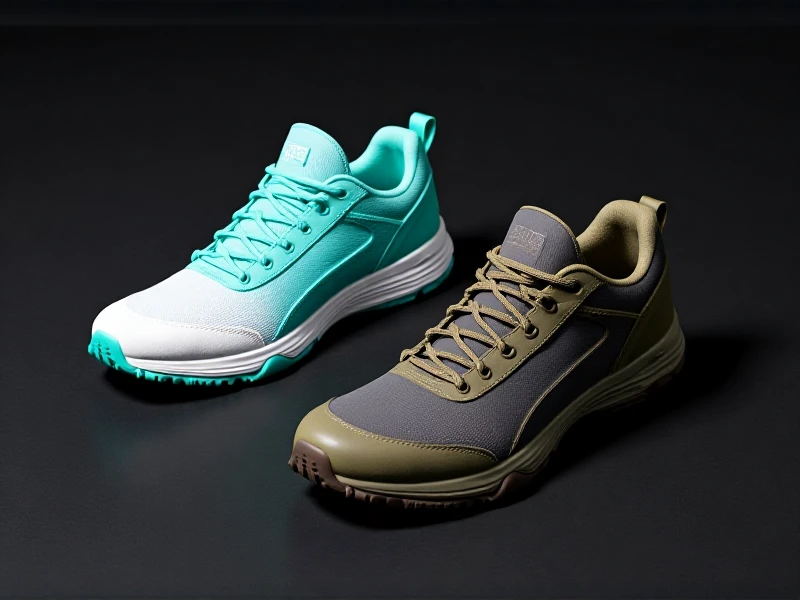
Choosing the right running shoes is crucial for comfort, performance, and injury prevention. With countless options flooding the market, finding your perfect pair can feel overwhelming. Fear not! This guide cuts through the confusion, helping you understand what makes great running shoes and how to select the ideal ones for your unique stride and goals.
Why the Right Running Shoes Matter: The foundation of your run starts literally from the ground up. Proper running shoes provide essential support, cushion impact forces, and promote efficient movement. Ill-fitting or worn-out shoes contribute to problems like blisters, shin splints, knee pain, and plantar fasciitis. Investing in the correct pair isn't just about speed; it's about longevity and enjoying every mile pain-free.
Key Features Explained:
- Cushioning: This absorbs shock. Levels range from minimal (promoting ground feel) to plush maximalist designs. Consider your distance, body weight, and personal preference. Responsive cushioning offers energy return.
- Stability & Support: Crucial for controlling pronation (how your foot rolls inward). Options include neutral (minimal support for natural motion), stability (gentle guidance), and motion control (high support for severe overpronation). Consult gait analysis if unsure.
- Fit: Prioritize comfort! Aim for a thumb's width space between your longest toe and the shoe end. Ensure a snug midfoot hold without pinching, and a secure, non-irritating heel lock.
- Upper: Lightweight, breathable mesh is standard. Secure overlays enhance support. Seamless designs minimize friction potential.
- Outsole: Durable rubber provides grip and traction. Lug depth varies for road vs. trail running shoes. Look for flex grooves allowing natural foot movement.
Match the Shoe to Your Run:
- Road Running Shoes: Focus on smooth surfaces. Prioritize cushioning, lightweight uppers, and durable outsoles designed for pavement.
- Trail Running Shoes: Tackle uneven terrain. Look for aggressive lugs for traction on mud/rocks, protective rock plates underfoot, durable uppers, and often increased stability.
- Daily Trainers: Your workhorse. Versatile shoes offering balanced cushioning and support for most runs.
- Racing Shoes: Prioritize lightweight construction and propulsive energy return (often carbon fiber plates or special foams). Less durable, best saved for race day or key workouts.
- Recovery Shoes: Focus on maximum cushioning and soft landings for those easy miles after hard efforts.
Finding Your Perfect Fit:
- Get Fitted: Visit a specialty running store for personalized advice, gait analysis, and trying multiple models and brands.
- Try Later: Feet swell! Shop in the afternoon or after a run.
- Wear Running Socks: The socks you train in affect fit significantly.
- Test Drive: Walk, jog, even hop(!) in the store. Listen for heel slippage or pinch points.
- Consider Foot Shape: Some brands suit wider or narrower feet better. Don't settle for discomfort.
- Replace Regularly: Running shoes wear out! Most lose significant support/cushioning between 300-500 miles. Track your mileage.
Don't Compromise on Comfort: The best running shoes are the ones that feel amazing on your feet from the first few steps. They support your journey, whether you're chasing a personal best or finding peace on an easy morning run. Explore wisely, replace responsibly, and run happy!