Unlock Your Running Potential: The Ultimate Guide to Finding the Best Running Shoes
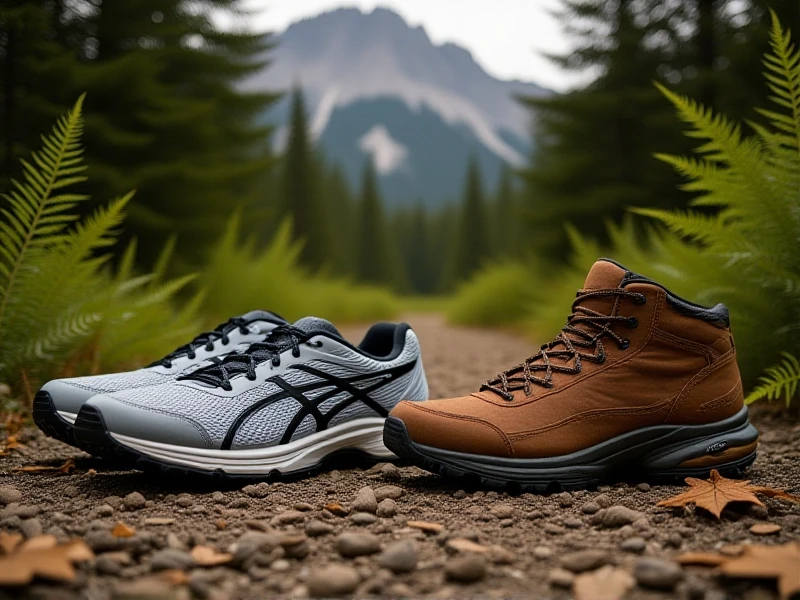
Imagine lacing up for a morning jog—the fresh air, the rhythm of your feet hitting the pavement, and the sheer joy of movement. But without the right running shoes, this experience could quickly turn into discomfort or even injury. In this comprehensive guide, we'll delve into why top-notch running shoes are essential for every runner and share practical tips to help you choose the perfect pair. Trust us, investing in quality shoes transforms your workouts, making every run safer and more enjoyable.
First, let's explore the reasons why specialized running shoes matter. Running shoes are designed with unique features like advanced cushioning and arch support to absorb impact, reducing strain on your joints during high-intensity activities. For instance, if you're prone to pronation issues (where your feet roll inward or outward), supportive soles can correct alignment and prevent common injuries like plantar fasciitis or shin splints. Beyond protection, the best running shoes enhance performance—think lighter designs that boost speed on long runs or grippy outsoles that provide stability on varied terrains. It's a game-changer whether you're training for a marathon or enjoying casual weekend strolls.
Choosing the ideal running shoes depends on several key factors. Start with your running surface: road shoes offer excellent shock absorption for paved paths, while trail running shoes feature rugged treads for off-road adventures. Next, consider your foot type and gait—visit a store for a professional fitting to identify if you need neutral, stability, or motion control models. Cushioning also plays a big role; opt for ample padding for comfort during long distances or minimalist versions for a natural feel. Remember to focus on comfort from the first try-on. If the shoes feel snug or pinch anywhere, they're not right for you. Pro tip: look for breathable materials to handle sweat and ensure consistent support mile after mile.
Maintaining your running shoes extends their lifespan and keeps you injury-free. Replace them every 300-500 miles or when you notice visible wear, such as flattened cushioning or damaged soles. Stick to a cleaning routine—avoid tossing them in the washer; instead, hand-clean with mild soap and air-dry to preserve integrity. Regular rotation with a backup pair prevents overuse and prolongs peak performance. Ultimately, the small effort pays off with durable shoes that fuel your progress. So why wait? Step into your next run with confidence—browse our curated selection and find your perfect pair today. Happy trails!