Find Your Perfect Pair: The Ultimate Guide to Choosing Hiking Boots
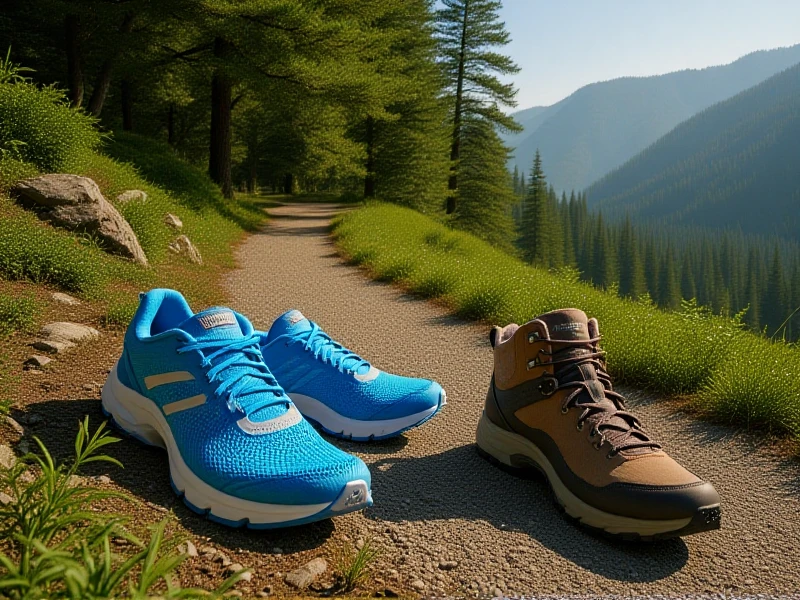
Hitting the trails means relying on your feet, and nothing impacts your hike more than the right pair of hiking boots. Choosing the wrong ones can turn an adventure into agony. Whether tackling rugged mountains or gentle paths, understanding key features ensures comfort, support, and unforgettable experiences.
Why Proper Hiking Boots Matter
Don't underestimate footwear. Quality hiking boots provide essential ankle support on uneven terrain, reducing strain and preventing injuries. They protect your feet from rocks, roots, and moisture, letting you focus on stunning scenery, not discomfort. Think of them as your foundation – investing wisely pays off in miles walked and smiles earned.
Key Features: Traction & Water Protection
- Grip is Everything: Look for aggressive, multi-directional lugs on the outsole. Vibram® rubber is renowned for durability and slip resistance on wet rocks or muddy slopes. Deep lugs clear debris, maintaining traction uphill and downhill.
- Stay Dry: Hiking boots usually offer two waterproofing methods. Waterproof Membranes (GORE-TEX® or similar): Breathable layers blocking external water while releasing sweat vapor. Ideal for wet climates or stream crossings. Water-Repellent Treatments: Coatings (like DWR) that shed light rain. More breathable but less protective in sustained wet conditions. Consider your typical trail environment.
Fit & Feel: Your Non-Negotiables
The "best" hiking boot is the one fitting your foot perfectly. Key fitting tips:
- Shop in the afternoon when feet naturally swell.
- Wear hiking socks you intend to use.
- Toes Need Space: Ensure a thumbnail's width between longest toe and boot front, especially descending.
- Heel Lock: Your heel should stay firmly in place without sliding; minimal lift is acceptable.
- Width Matters: Avoid pressure points on sides. Many brands offer wide options.
- Test Drive: Walk on inclined surfaces in-store if possible. Expect a short break-in period – start with easy walks.
Materials: Leather, Synthetics, & Hybrids
- Full-Grain Leather: Extremely durable and naturally water-resistant, but heavier and requires longer break-in. Best for heavy loads, rough terrain and longevity.
- Split-Grain Leather/Nubuck: Combined with nylon mesh. Lighter, more breathable, and breaks in faster than full leather, but less waterproof and durable. Excellent for day hikes and moderate trails.
- Synthetics (Polyester, Nylon): Lightweight, quick-drying, and often more affordable. Breathability is high, but long-term durability may be less than leather. Great for fast-and-light adventures.
- Hybrids: Increasingly popular, combining leather reinforcements with synthetic uppers for balanced durability, weight, and breathability.
Care & Longevity
Protect your investment. Clean off dirt after hikes with a soft brush and damp cloth. Use specialized cleaner for stubborn grime. Allow boots to air dry naturally (never near direct heat!). Reapply waterproofing treatment periodically. Storing them in a cool, dry place prevents material degradation.
By prioritizing traction, waterproofing, impeccable fit, and suitable materials, you'll find hiking boots that transform every step into pure trail joy. Ready to discover your perfect path partners? Your next adventure awaits!